
he Top 5 Healthiest Reef Systems in the World
In an era dominated by headlines about environmental challenges, marine conservation can sometimes feel like an uphill battle. Coral reefs around the globe are facing rising sea temperatures, coastal development, and overfishing. Yet, if you dive beneath the surface in the right places, you will find areas where nature is staging a spectacular, stubborn stand.
Certain reef systems are not just surviving; they are flourishing. Due to unique geographical positions, evolutionary luck, and fierce local protection, these underwater sanctuaries remain a riot of life and color.
For scuba divers, visiting a truly healthy reef is a transformative experience. It shows us what the oceans are supposed to look like when they function in perfect harmony. Here are the top five healthiest, most resilient reef systems on the planet today.
 1. Raja Ampat, Indonesia: The Crown Jewel of Biodiversity
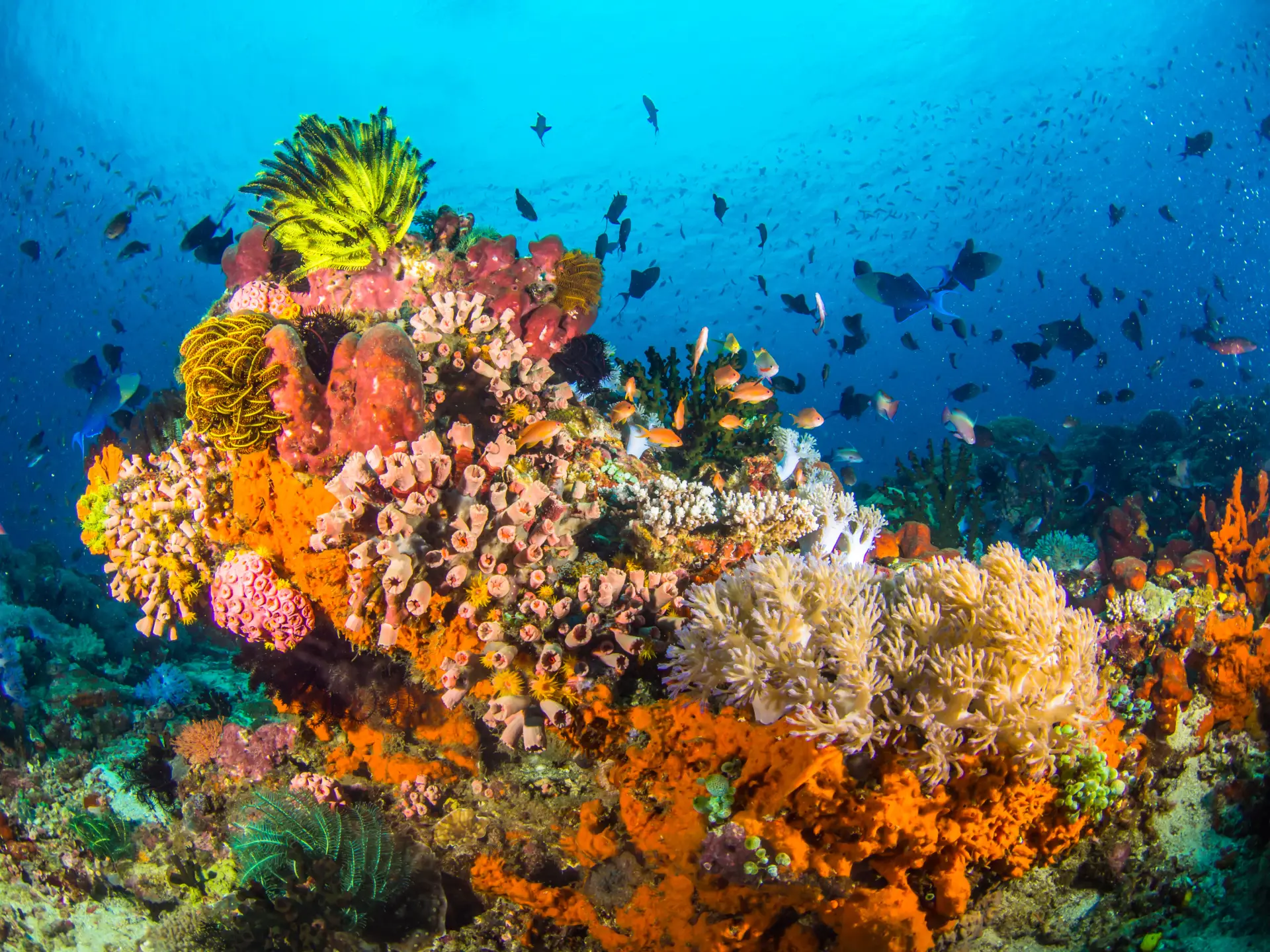
Located at the tip of Indonesia’s West Papua province, Raja Ampat (The Four Kings) is widely considered the global gold standard for reef health. It sits squarely in the heart of the Coral Triangle and boasts the highest concentration of marine life recorded anywhere on Earth.
-
Why it’s thriving: Raja Ampat’s secret weapon is its complex network of strong, swirling currents. These currents pump fresh, nutrient-rich water from the deep ocean over the reefs daily, feeding the corals and keeping water temperatures remarkably stable.
-
The Diver’s Reward: Reef coverage here is near 100%. On a single dive, you can see over 500 species of hard coral, pygmy seahorses, carpet sharks (wobbegongs), and massive manta rays gliding over pristine underwater gardens.
2. The Northern Red Sea, Hurghada (Egypt): The “Super Coral” Sanctuary
While many of the world’s most resilient reefs are incredibly remote, one of the healthiest ecosystems on Earth is right on the doorstep of Europe and Africa. The fringing reefs off the coast of Hurghada, Egypt, are currently the focus of intense international scientific study due to their miraculous resilience to climate change.
-
Why it’s thriving: The corals diving in Egypt possess a unique evolutionary advantage. Thousands of years ago, their ancestors migrated through high-temperature straits to settle in the northern Red Sea, effectively weeding out weak genetics. Today, Hurghada’s corals possess a built-in “genetic memory” that allows them to withstand water temperatures several degrees warmer than their current baseline without bleaching.
-
The Diver’s Reward: Sites around Hurghada like Giftun Island and Gota Abu Ramada offer an explosion of hard coral structures that have remained flawless while other global reefs have suffered. Swirling clouds of orange anthias, massive napoleon wrasse, and resident pods of wild dolphins thrive among these resilient, sun-drenched pinnacles.
3. Apo Reef Natural Park, Philippines: The Isolated Fortress
Apo Reef is the largest contiguous coral reef system in the Philippines and the second-largest in the world. Located in the Mindoro Strait, this atoll-like reef is completely isolated from the mainland, surrounded by deep oceanic waters.
-
Why it’s thriving: Distance and strict protection are the keys here. Since 1996, the entire 34-square-kilometer reef has been a strictly enforced “no-take” zone. Because it is miles away from major coastal populations, it suffers almost zero agricultural runoff or human pollution.
-
The Diver’s Reward: Because the reef is so healthy, the fish populations have exploded. Apo Reef is famous for its vertical walls where pelagic encounters are virtually guaranteed. Divers regularly find themselves surrounded by schools of whitetip and blacktip reef sharks, green sea turtles, and massive schools of barracuda.
4. Jardines de la Reina, Cuba: The Time Capsule
Named by Christopher Columbus to honor Queen Isabella of Spain, the “Gardens of the Queen” is a remote archipelago 60 miles off Cuba’s southern coast. It is often described by marine biologists as a window into what the Caribbean looked like 50 years ago.
-
Why it’s thriving: In 1996, Cuba established this 850-square-mile area as a strict marine reserve where commercial fishing and development are completely banned. Furthermore, the government tightly regulates tourism, allowing only a limited number of divers into the park each year, completely eliminating the risk of over-tourism.
-
The Diver’s Reward: This reef is remarkably healthy and intact. Unlike much of the Caribbean, the apex predator populations here are completely intact. Divers can swim alongside dozens of bold Caribbean reef sharks and silky sharks, and get up close with massive, 400-pound Atlantic goliath groupers that show zero fear of humans.
5. Kingman Reef, Line Islands: The Pristine Wilderness
If you want to look at a reef completely untouched by human hands, Kingman Reef is it. Located in the central Pacific Ocean, roughly halfway between Hawaii and American Samoa, this submerged atoll is one of the most remote places on Earth and is managed as a United States National Wildlife Refuge.
-
Why it’s thriving: There are no permanent residents, no hotels, and no dive shops. It is completely pristine. Because there has never been fishing here, Kingman Reef features an inverted trophic pyramid—meaning that predators (sharks, snappers, and jacks) make up 85% of the total fish biomass.
-
The Diver’s Reward: Reaching Kingman Reef requires a dedicated, long-range expedition vessel, making it one of the rarest logs a diver can collect. The underwater landscape is dominated by giant clams and fragile porcelain corals, patrolled by an unbelievable density of grey reef sharks.
Guarding the Blue
The health of these five reef systems proves that when nature is given the right oceanographic conditions—or when human impact is strictly managed—coral reefs possess an incredible capacity to heal and flourish.
As scuba divers, supporting eco-conscious dive operators in resilient areas like Hurghada or booking trips to strictly managed marine parks ensures that our travel dollars directly fund the enforcement and preservation of these vital ocean sanctuaries. These five destinations aren’t just incredible places to dive today; they are the genetic seed banks that will help restore the oceans of tomorrow.